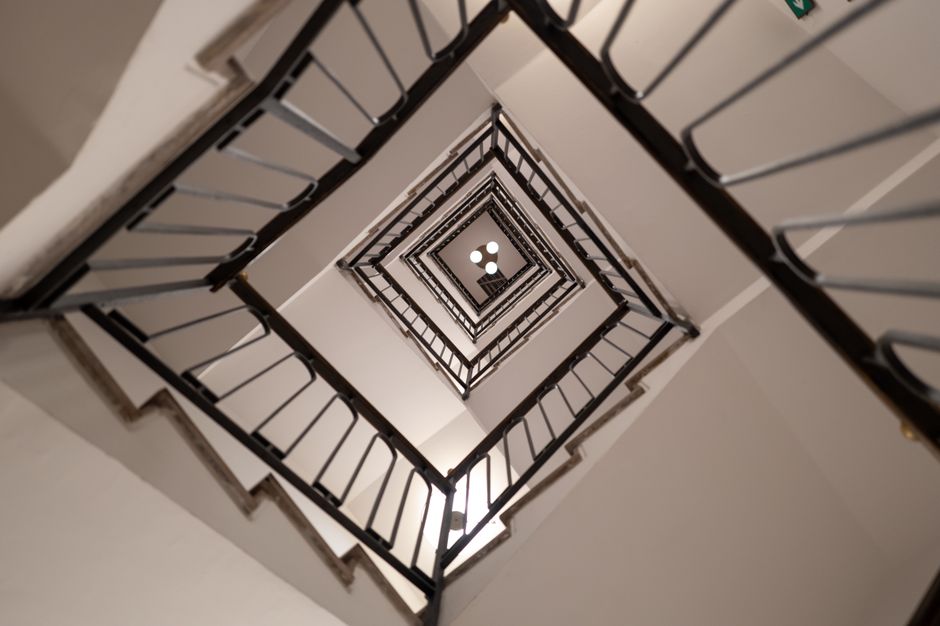
East Putney flat removals for tight stairwells: a practical guide to moving without the stress
If you are planning East Putney flat removals for tight stairwells, you already know the challenge is not usually the distance. It is the staircase. Narrow turns, awkward landings, low ceilings, heavy furniture, and that slightly nerve-jangling moment when a sofa looks one inch too wide. Truth be told, this is exactly where a well-planned move makes all the difference.
This guide explains how tight-stairwell flat moves work in East Putney, why they need a different approach from a standard removal, and what to check before moving day. You will also find a practical step-by-step process, a comparison of methods, a useful checklist, and answers to the questions people ask most often. If you are moving from a period conversion, an upper-floor flat, or a property with a cramped communal staircase, this should help you make better decisions and avoid the usual headaches.
Why East Putney flat removals for tight stairwells Matters
East Putney has plenty of flats where access is the main event. Some buildings have narrow internal staircases, sharp turns on the first landing, or communal areas where two people passing with a mattress is already a minor diplomatic crisis. If you are dealing with a top-floor flat, a maisonette, or a conversion in an older building, the removal is not just about lifting boxes. It is about protecting the property, the furniture, and your own nerves.
These moves matter because a small access issue can quickly become a large one. A wardrobe that would be easy in a lift-serviced block may need partial dismantling. A heavy sofa might need a two-person carry with measured rotation. And a washing machine? Well, that is the sort of thing that can test everyone's patience before 9 a.m.
In our experience, the best East Putney flat removals are the ones where the team has already thought through the awkward bits before arrival. That means measuring doorways, checking stair width, deciding which items need protection, and working out whether the route allows for a safe carry. It sounds simple, but it is often the difference between a calm move and a day full of muttered apologies.
For many local moves, a service like flat removals is the most sensible starting point because it is designed around the realities of apartment access rather than a generic house move.
How East Putney flat removals for tight stairwells Works
A tight-stairwell move is usually handled by planning first, lifting second. That is the unglamorous bit, but honestly it is what protects everything else. A good team will begin by asking about access, floor level, parking, building rules, and the size of the larger items. If the staircase is particularly awkward, the move may require extra packing, furniture disassembly, or a carefully timed loading sequence.
The process usually follows a pattern:
- Access review - checking stairs, turns, banisters, and any narrow hallway sections.
- Item assessment - identifying bulky furniture, fragile items, and anything that needs dismantling.
- Protection planning - using blankets, wraps, covers, and corner protection where needed.
- Route planning - deciding the safest path through the property and to the vehicle.
- Careful moving - lifting, pivoting, and carrying items with enough control to avoid scrapes.
- Loading and securing - making sure items are stacked safely in the van so they do not shift in transit.
If the building access is especially tight, you may also need packing help before the move. That is where packing and unpacking services can save time and reduce breakage, especially for fragile kitchenware, lamps, mirrors, and everyday clutter that somehow multiplies the night before moving day.
A point that often gets missed: the removal itself is only one part of the job. In a tight stairwell, the real success is whether everything fits through safely without forcing anything. Forcing things is rarely clever. It usually ends with a scuffed wall, a clipped handrail, or a very expensive lesson.
Key Benefits and Practical Advantages
Choosing a removal approach that is built for tight stairwells gives you more than just convenience. It reduces risk, saves time, and often makes the whole day feel far less chaotic.
- Less damage to property - tighter spaces are where accidental knocks happen, so careful handling really matters.
- Better protection for furniture - dismantling and wrapping bulky items can prevent splits, tears, and crushed corners.
- Safer lifting - controlled movements lower the chance of injury, which is not something to shrug off.
- Faster problem-solving - experienced movers can adapt if a stairwell is tighter than expected.
- Less stress for you - there is a lot to manage on moving day, and one fewer headache helps.
There is also a subtle but real benefit: good removals teams understand pace. They know when to pause, reposition, and check a corner before committing to a carry. That steady rhythm can feel almost boring from the outside, but boring is wonderful on moving day.
For people who are moving within the area, or combining a flat move with a larger household move, broader removal services can offer the right mix of flexibility and support.
| Approach | Best for | Pros | Potential drawbacks |
|---|---|---|---|
| DIY move with friends | Very small loads, light furniture | Lower upfront cost, flexible timing | Higher risk in tight stairwells, limited lifting experience, slower progress |
| Man and van style move | Studio and one-bed flats, partial loads | Practical, often quicker to arrange, good for access-heavy moves | May need careful planning for very large furniture |
| Full flat removal service | Full contents, larger furniture, complex access | More support, better for awkward staircases, less physical strain for you | Usually costs more than a basic van-only approach |
Who This Is For and When It Makes Sense
This kind of move makes sense for anyone dealing with restricted access, but it is especially useful for:
- top-floor flats with no lift
- Victorian or Edwardian conversions with narrow stairs
- maisonettes with awkward internal turns
- students or young professionals moving from compact flats
- families relocating from a multi-level apartment
- landlords arranging a clear-out between tenancies
- people moving a few bulky items rather than an entire home
If your move includes items like wardrobes, beds, dining tables, or heavy white goods, a standard load-and-go approach may not be enough. That is where a more careful local service becomes worth considering, especially if you are comparing options like man with a van and a more complete flat-moving setup.
Let's face it, tight stairs can turn even a small move into a puzzle. And not a fun one. If you have already looked at the staircase once and thought, "That will be tricky," you are probably right.
Step-by-Step Guidance
Here is a practical way to approach East Putney flat removals for tight stairwells without leaving everything to chance.
1. Measure the awkward bits first
Measure doorways, stair widths, landing depth, and any tight turns. If possible, measure the biggest furniture too. A tape measure does not solve everything, but it prevents hopeful guesswork, which is often the real culprit.
2. Sort items by difficulty
Put the hardest pieces first in your plan. Large sofas, king-size beds, wardrobes, and awkward appliances need attention early, not after you have already packed the easy stuff and lost momentum.
3. Decide what can be dismantled
Table legs, bed frames, shelving, and some wardrobes can often be taken apart to make the move safer. Keep screws, bolts, and fittings in labelled bags. This is one of those tiny habits that saves you from a future headache at 8 p.m.
4. Protect walls and furniture
Use covers, blankets, and wrap where appropriate. In a narrow staircase, even a careful item can brush a wall corner. Protection is not overkill; it is common sense.
5. Plan the order of loading
Load the easiest items first if they are needed to create working space, but keep the biggest pieces ready for the route while the team has energy and room to manoeuvre. A sensible order can make a long move feel much shorter.
6. Keep the route clear
On moving day, avoid clutter in hallways and landings. Shoes, plant pots, pushchairs, bikes, recycling bags - all of it gets in the way faster than you think. One forgotten umbrella stand can become strangely annoying.
7. Do a final walk-through
Before leaving, check cupboards, loft access, under beds, and behind doors. It is always the last drawer. Somehow it is always the last drawer.
Expert Tips for Better Results
A few small choices can make a big difference in a stairwell-heavy move. These are the things that experienced movers tend to care about, even if they do not always sound dramatic.
- Move heavy items before fatigue sets in - stairs are harder when everyone is tired and rushing.
- Use the right number of people - too few causes strain, too many can create confusion on the stairs.
- Check parking and access in advance - a perfect stair plan still goes sideways if the van is parked half a street away.
- Label boxes by room and priority - this makes unloading much faster, especially in compact flats.
- Keep essentials separate - kettle, charger, medication, documents, and a change of clothes should travel with you.
A practical extra: if you know the staircase is especially tight, mention it early and plainly. Do not soften it with vague language. "Awkward stairs" is fine. "Quite fiddly access" is even better. Teams can work with that. They just need the heads-up.
For larger or mixed moves, combining this with furniture removals can be sensible when the main challenge is bulky household items rather than small boxes.
Common Mistakes to Avoid
These are the mistakes that tend to create avoidable stress. Most are simple, which is annoying in itself, but that is usually how moving-day problems work.
- Not measuring properly - guessing the width of a sofa or staircase is a gamble, not a plan.
- Ignoring communal rules - some buildings have time windows, access codes, or quiet-hour expectations.
- Leaving packing too late - rushed packing leads to breakage and messy loading.
- Forgetting about parking - if the van cannot get close enough, everything takes longer.
- Trying to force oversized furniture through - if it does not fit safely, stop and rethink.
- Not protecting corners and bannisters - small scrapes add up quickly in tight spaces.
Another common one: assuming a stairwell that looks manageable will feel the same once you are carrying a mattress up it. It will not. The mattress is always larger, and somehow the stairs always feel steeper. Funny that.
Tools, Resources and Recommendations
You do not need a truck full of specialist kit to manage a flat removal, but the right basics help a lot.
- Tape measure - essential for checking stair width, furniture depth, and doorway clearance.
- Furniture blankets and wrap - useful for protecting corners, surfaces, and polished finishes.
- Labels and marker pens - the cheapest way to keep the move organised.
- Strong boxes and packing paper - especially important for books, crockery, and small household items.
- Basic tools - hex keys, screwdrivers, and a small bag for fittings.
- Floor and wall protection - particularly valuable in older buildings or rented properties.
If your move includes a mix of items or a partial clear-out, a broader service like removals can be helpful because it gives you a single point of support rather than trying to stitch several services together at the last minute.
It can also be worth looking at pricing and quotes early, not because you need to obsess over every penny, but because it helps you compare like with like. What is included? Is dismantling covered? Is there help for awkward access? Those details matter more than a headline price.
Law, Compliance, Standards and Best Practice
For a flat removal, the most important compliance point is safety. There is no mystery there, but it does deserve care. Moving heavy items through narrow stairwells should be carried out with proper lifting practice, sensible planning, and attention to property protection. Where a building has specific rules for access, noise, lift use, or loading, those rules should be followed.
If you are moving from or into a rented property, it is also wise to check your tenancy obligations and any move-out conditions. That may include leaving the flat clear, avoiding damage to communal areas, and returning keys properly. For leasehold or managed buildings, there may be building-specific instructions as well. Nothing glamorous, but important.
Insurance is another practical consideration. If you are hiring movers, ask what cover is in place for goods in transit and accidental damage, and read the terms carefully. Not in a thrill-seeking way, of course. Just enough to know where you stand if something unexpected happens.
You should also expect a responsible removal company to take health and safety seriously, especially in cramped stairways where lifting strain and trip hazards are more likely. A clear safety approach is not a luxury. It is the baseline.
If you want a sense of how a company handles these issues more broadly, pages like insurance and safety and health and safety policy can help set expectations before you book.
Options, Methods, or Comparison Table
Not every East Putney flat move needs the same approach. The best choice depends on how tight the stairwell is, how much furniture you have, and how much help you want on the day.
| Option | Good fit for | What it helps with | What to watch out for |
|---|---|---|---|
| Small van and helper | Light, compact loads | Quick local moves, easy access items | Less suitable for bulky furniture and awkward stair turns |
| Man and van with packing support | Mixed loads, medium flat moves | Better organisation, better for fragile items | May still need extra planning if access is very tight |
| Full removal team | Heavier contents, challenging access | Dismantling, loading, protection, and more hands on site | Requires more coordination and usually costs more |
| Storage-assisted move | Delayed completion or staggered moving plans | Flexibility if your new place is not ready yet | Extra handling and storage planning needed |
If your move is tied to a gap between dates, storage can be a useful pressure valve. It is not always needed, but for tricky move chains it can save a lot of scrabbling around at the last minute.
Case Study or Real-World Example
Here is a realistic example. A one-bedroom East Putney flat on an upper floor, no lift, narrow communal staircase, and a few bulky pieces: a bed frame, a sofa, a chest of drawers, and a dining table. On paper, not massive. In practice, quite fiddly.
The move went best because the awkward items were identified before moving day. The bed frame was dismantled, the sofa dimensions were checked against the staircase turns, and boxes were labelled clearly so they could be passed through without blocking the landing. The team also parked as close as possible, which sounds obvious but saves a lot of effort. By the time the afternoon light came through the stairwell windows, the biggest work was already done.
What made the difference was not brute force. It was sequence. Measure, dismantle, protect, carry, load, and keep the route clear. Small things, all of them. But together they turned a stressful access problem into a straightforward local move.
For many people in similar situations, a service focused on man and van support can be the right middle ground between doing it all yourself and booking a full-scale move.
Practical Checklist
Use this checklist before the move. It is simple, but it helps.
- Measure stair width, doorways, and any tight turns
- Check the size of your largest furniture items
- Decide what needs dismantling
- Pack fragile items separately and label them clearly
- Confirm access arrangements, entry codes, and parking
- Protect walls, floors, and furniture surfaces
- Keep essentials aside for easy access
- Tell the removals team about any difficult items in advance
- Review safety, insurance, and any building rules
- Do a final sweep of cupboards, loft spaces, and behind doors
Expert summary: The smartest way to handle tight-stairwell removals is to treat access as the main job, not a side detail. If the route is planned well, the rest usually falls into place. If the route is ignored, everything gets harder.
Conclusion
East Putney flat removals for tight stairwells are less about strength and more about preparation, patience, and practical judgement. When you measure carefully, protect the property, and choose the right level of support, even awkward access can be managed smoothly. That is the real goal: not a perfect, movie-style moving day, but a calm one that gets the job done properly.
If you are comparing options, start with the size of your furniture, the shape of the stairs, and the amount of help you want on the day. Then match the service to the move, rather than trying to squeeze your move into a one-size-fits-all plan. A bit of planning now can spare you a lot of grief later, and that's worth something.
Get a free quote today and see how much you can save.
And if the stairwell looks a bit daunting, that is okay. Most of them do, until the right plan is in place. Then it becomes just another move, one careful step at a time.
Frequently Asked Questions
What makes East Putney flat removals for tight stairwells different from a normal move?
The main difference is access. Tight stairwells require more planning, more care with bulky furniture, and often more protection for walls, doors, and bannisters. The move can be perfectly manageable, but it needs a different approach from a standard house removal.
Do I need to measure my furniture before booking?
Yes, if possible. Measuring your biggest items and the tightest parts of the stairwell helps avoid surprises. It also helps the movers decide whether items should be dismantled before the move. A quick measure now can save a lot of faff later.
Can a sofa usually fit up a narrow stairwell?
Sometimes yes, sometimes no. It depends on the sofa size, the staircase width, the landing shape, and whether the sofa can be angled safely. In some cases, removing feet or dismantling the frame makes the difference. If in doubt, check in advance rather than hoping for the best.
Is a man and van service enough for a flat move with awkward stairs?
For small loads, it can be. For heavier furniture or multiple large items, a more complete flat removal service may be the better option. The right choice depends on access, item size, and how much help you need. No shame in choosing the easier route, honestly.
What should I do with furniture that will not fit through the stairwell?
First, see whether it can be dismantled safely. If not, you may need to consider a different exit route, temporary storage, or removing the item through another access point if the building allows it. Do not force it. That is how damage happens.
How far in advance should I arrange a removal for a tight-stairwell flat?
As early as you can, especially if you have a specific moving date or awkward access. Early booking gives you time to plan, measure, pack, and sort any needed dismantling. A rushed plan in a narrow staircase is rarely a good one.
Will movers protect the walls and bannisters?
A careful removal team should use sensible protection where needed, particularly in tight or older stairwells. That can include blankets, wraps, and careful handling around corners. It is worth asking how they handle protection before the move begins.
What if there is no lift in my East Putney block?
That is common in many flats, especially older conversions. It does not stop the move, but it makes planning more important. The team should know the floor level, staircase shape, and any access restrictions so they can prepare properly.
Can I combine packing help with the removal?
Yes, and for a tight access move it can be a smart choice. Packing help often makes loading quicker and reduces the risk of breakage. It also means fewer loose items to juggle on narrow stairs.
How do I know if I need storage as part of the move?
If there is a gap between moving out and moving in, or if some furniture will not fit immediately, storage can be very helpful. It gives you flexibility and keeps the move from becoming rushed. Not every move needs it, but it is worth considering if dates do not line up neatly.
What is the biggest mistake people make with tight stairwell removals?
The biggest one is underestimating the access problem. People often focus on the number of boxes and forget the staircase itself. In reality, the staircase is the thing that shapes the whole move. Once you plan around it, everything becomes much easier.
Are there special safety rules for carrying furniture in narrow stairs?
There is no need for dramatic language here, but yes, safe lifting and sensible handling matter a great deal. Movers should work carefully, avoid overloading themselves, and take extra care in cramped spaces. If a route looks unsafe, they should pause and reassess. That is normal and, frankly, the sensible thing to do.